
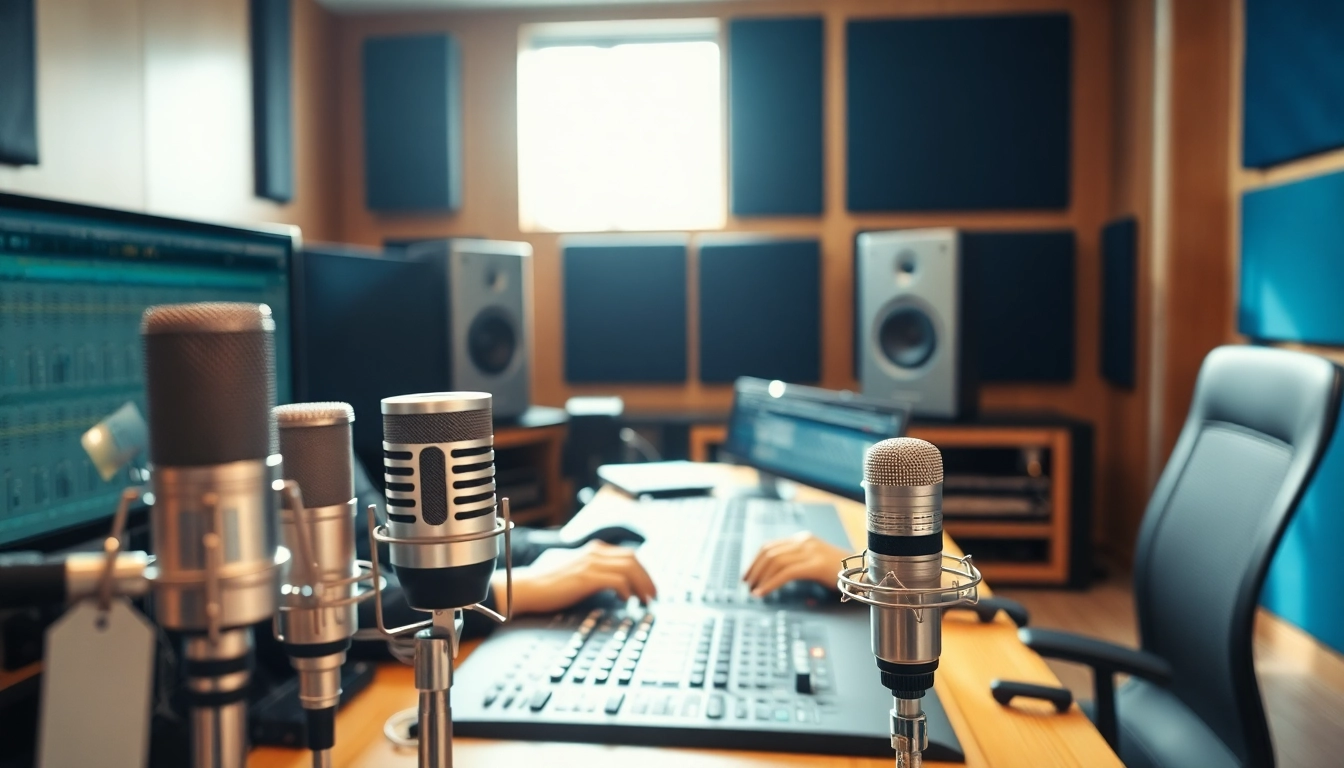
Understanding Online Audio Mastering
The Basics of Mastering
Mastering is the final step in the audio production process, where the mixed sound is polished and prepared for distribution. It involves a series of processes such as equalization, compression, limiting, and more, ensuring that the audio stands out while maintaining a consistent sound across all playback systems. Mastering can be done traditionally in-studio, but the rise of technology has enabled a shift towards online audio mastering, making it accessible to musicians and producers everywhere.
Importance of Online Mastering
In today’s digital landscape, the importance of mastering cannot be overstated. It provides not just a technical finish, but also emotional delivery in a track. Online mastering has simplified access to high-quality mastering services, allowing artists from various backgrounds to enhance their work without the need for high-end studio space. The online approach also offers flexibility, speed, and cost-effectiveness, enabling quick turnarounds for artists eager to release their music.
Key Components of the Mastering Process
The mastering process includes several key components:
- Equalization (EQ): Adjusts frequency balances to enhance or suppress certain elements of the mix.
- Compression: Controls the dynamic range, creating a more full and powerful sound.
- Limiting: Ensures the track does not clip or distort in the final distribution.
- Spacing and Sequencing: Organizes tracks in an album for flow and pacing.
- Format Conversion: Prepares the audio for various distribution formats.
Essential Tools for Online Audio Mastering
Software Options for Mastering
Choosing the right software is crucial for effective online audio mastering. Several popular digital audio workstations (DAWs) and plugins are available, each equipped with features tailored for mastering. Tools like iZotope Ozone and Waves plugins offer comprehensive suites focused on dynamics, EQ, and stereo imaging, catering to both novice and seasoned engineers.
Hardware Requirements
While software is essential, hardware also plays a critical role in mastering. High-quality studio monitors, audio interfaces, and acoustically treated rooms ensure that the audio is reproduced accurately. Investing in good headphones for an alternate reference can also provide valuable insights into the mastering quality. An accurate listening environment allows for better decision-making during the mastering process.
Analyzing Your Tools
Understanding the tools in your arsenal is critical for mastering success. Regularly analyzing and calibrating your plugins and monitors can lead to refined outputs. For instance, check for updates to your software that might improve performance or introduce new features. Additionally, making use of reference tracks can help assess the effectiveness of your tools by comparing your results against professionally mastered tracks.
Techniques for Effective Online Audio Mastering
Dynamic Range Management
Dynamic range refers to the difference between the softest and loudest parts of an audio track. Effective mastering requires careful management of this range to ensure that tracks are engaging without losing depth. Techniques include using multi-band compression and limiting strategically to enhance presence while avoiding distortion.
Equalization Strategies
Equalization is one of the most powerful techniques in mastering. Applying it effectively involves subtle adjustments that can greatly enhance the clarity and presence of a mix. This can involve cutting problematic frequencies that cause muddiness or boosting certain areas to highlight specific instruments or vocals. Careful EQ choices help in creating a polished final product.
Getting the Right Loudness
Loudness is a critical factor in mastering, aimed at ensuring your track is competitive in volume while maintaining audio quality. LUFS (Loudness Units relative to Full Scale) is a standard metering scale used to gauge loudness levels. Mastering engineers need to strike a balance between loudness and dynamic range to prevent listener fatigue and maintain musicality.
Common Challenges in Online Audio Mastering
Identifying Frequency Issues
Frequency issues can arise when instruments clash, leading to a muddy mix. Using spectrum analyzers can help identify problematic frequencies, allowing for targeted corrections. Mastering engineers often need to revisit and adjust the EQ to ensure clarity without sacrificing the mix’s cohesiveness.
Dealing with Audio Artifacts
Audio artifacts, such as pops, clicks, and unwanted noise, can emerge from various stages in the audio chain. It’s vital to listen critically and use tools like de-clickers or noise gates to remove these artifacts before finalizing the master. Engaging in this practice ensures a clean and professional-sounding track.
Coping with Diverse Playback Systems
Tracks will be played on various systems, from high-end speakers to earbuds. It’s crucial to test your masters on multiple playback systems to assess their performance. This process helps ensure that your audio translates well across all platforms, providing a consistent listening experience regardless of the playback medium.
Best Practices for Successful Online Audio Mastering
Building a Mastering Chain
A well-structured mastering chain involves arranging your plugins and tools for maximum effectiveness. Starting with corrective EQ, followed by compression, then limiting, is a common approach. Each element should be fine-tuned individually before considering the interaction between them, promoting a cohesive sound in the final output.
Effective Communication with Clients
When offering online mastering services, effective communication with clients is paramount. Establish clear expectations regarding timelines, feedback processes, and revisions. Collaboration fosters a better working relationship and leads to outcomes that align with the client’s vision while also benefiting from the engineer’s expertise.
Continuing Education in Mastering Techniques
Mastering techniques and technologies continually evolve. Staying updated through online courses, webinars, and reading industry publications can lead to improved skills and techniques. Engaging with the mastering community through forums and social media can provide insights into current best practices and innovations in the field.
Frequently Asked Questions
What is online audio mastering?
Online audio mastering is a digital service where music tracks are enhanced and prepared for distribution using remote platforms. It allows artists to access mastering expertise without needing in-person studio sessions.
Can I master my own music online?
Yes, artists can use various online tools and software to master their music. However, professional mastering still benefits from experienced engineers who can bring an objective ear to the process.
How long does online mastering take?
Online mastering time varies depending on the service and the complexity of the project. Generally, it can range from a few hours to several days, depending on turnaround times and revisions needed.
What file formats do I need for online mastering?
Common formats for online mastering include WAV and AIFF at high bit rates (24-bit or 32-bit). These formats preserve audio quality and are ideal for mastering processes.
Is online mastering more affordable than in-studio mastering?
Typically, online mastering is more cost-effective. Without the overhead costs of a physical studio, many online services offer competitive rates while still delivering high-quality results.