
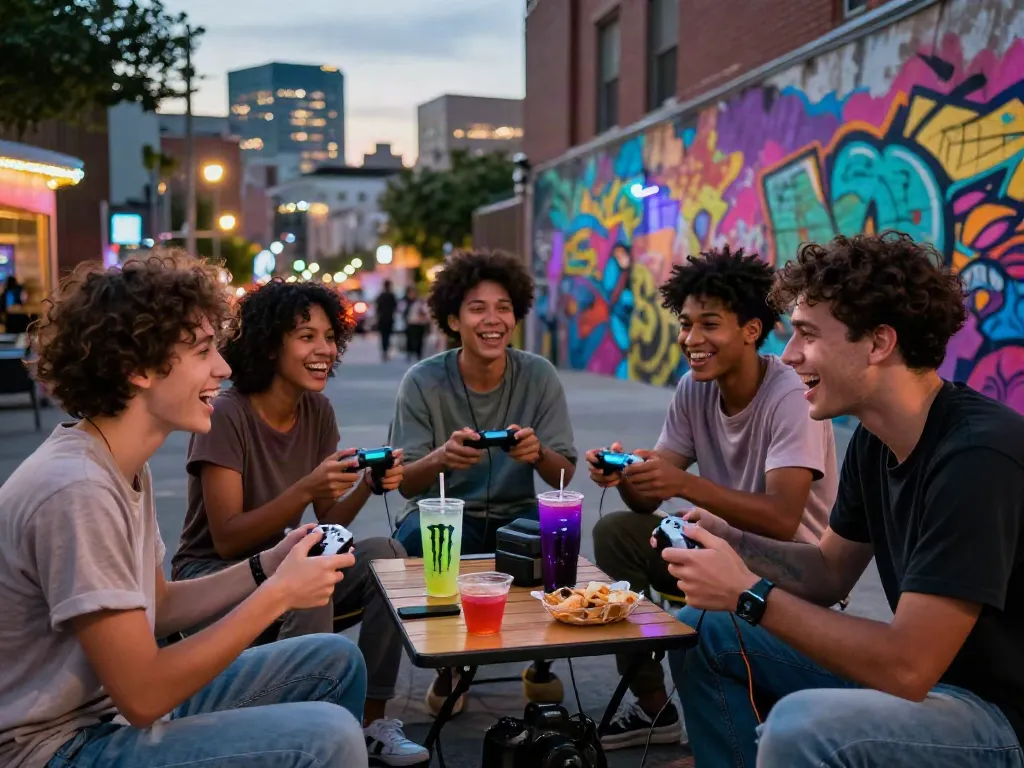
Understanding the Importance of Community in Gaming
In the rapidly evolving landscape of online gaming, the significance of a robust community cannot be overstated. A thriving gaming community not only enhances player experiences but also fosters loyalty and engagement, which are crucial for the longevity of gaming platforms. As gamers seek immersive experiences, platforms like rokok88 provide a space where players can connect, share, and grow together, enhancing the overall gaming culture.
What Makes a Thriving Gaming Community?
At its core, a successful gaming community is built on several key pillars. These include:
- Engagement: Interactive elements such as forums, chats, and live events encourage players to participate actively.
- Inclusivity: Welcoming players from diverse backgrounds creates a sense of belonging.
- Support: Resources for both new and experienced players foster growth and camaraderie.
Core Values of Successful Gaming Groups
Successful gaming communities often adhere to core values that guide their interactions. These may include:
- Respect: Treating every member with respect fosters a positive environment.
- Collaboration: Working together on challenges and events strengthens ties among players.
- Innovation: Encouraging creativity enhances the community's overall experience.
Common Challenges in Community Building
Building a successful gaming community is not without its challenges. Common issues include:
- Lack of engagement: When players do not participate, it stunts growth and vibrancy.
- Conflict resolution: Disputes can arise, and how they are handled can make or break a community.
- Retention: Keeping players engaged over time is essential for community sustainability.
Identifying Worst Practices in Online Gaming Communities
While there are many ways to build a successful community, there are also numerous pitfalls that can lead to its downfall. Identifying and avoiding these worst practices is key to fostering a healthy gaming environment.
Ignoring Member Feedback and Engagement
Communities thrive on input from their members. Ignoring feedback can alienate players and stifle growth. Regular surveys, suggestion boxes, and open forums can help communities remain responsive and adaptive.
Neglecting Moderation and Safety Protocols
A lack of moderation can lead to toxicity, harassment, and other negative behaviors that drive players away. Implementing clear rules and having a dedicated moderation team is essential for maintaining a safe environment.
Focusing Solely on Competition Over Collaboration
While competition can be exhilarating, placing too much emphasis on it can discourage cooperative play. Successful communities often balance competitive events with collaborative gameplay, allowing players to build friendships alongside rivalries.
Strategies for Effective Community Growth
To cultivate and maintain a vibrant gaming community, consider the following strategies:
Creating Inclusive and Welcoming Environments
Make an effort to welcome all players, regardless of their skill level or background. Utilize mentorship programs or buddy systems to help new players feel comfortable.
Utilizing Social Media for Engagement
Social media platforms can serve as powerful tools for community building. Regularly post updates, host polls, and share content that resonates with your community's interests.
Incorporating Fun Events and Competitions
Organizing community events can significantly boost engagement. Fun activities such as tournaments, giveaways, and themed nights encourage participation and camaraderie.
Real-World Examples of Successful Communities
Examining successful gaming communities can provide valuable insights into effective strategies and practices.
Case Study: A Gaming Community That Thrived
A notable example is the community around 'Final Fantasy XIV.' The developers actively engage with players through forums and live streams, creating a two-way communication channel that enhances player satisfaction. Their ongoing events and expansions keep the community excited and engaged.
Lessons Learned from Community Failures
Conversely, the downfall of communities like 'EA's Star Wars Battlefront II' highlighted the dangers of neglecting player feedback. The initial backlash against microtransactions led to community unrest, showcasing the importance of listening to players and adapting accordingly.
Key Metrics for Measuring Community Success
To gauge the vitality of a community, consider metrics such as:
- Engagement rates: Track how often members interact with posts and events.
- Growth rates: Monitor the increase in active members over time.
- Retention rates: Measure how many players continue to participate after initial engagement.
Future Trends in Gaming Communities (2026 and Beyond)
The gaming community landscape is continuously changing, influenced by technology and shifting player expectations. Here are some trends to watch for in the coming years:
Emerging Technologies and Their Impact
As virtual reality (VR) and augmented reality (AR) technologies advance, we can expect newer forms of community engagement that go beyond traditional gaming experiences. These technologies may provide immersive environments where players can interact in real-time.
The Rise of Virtual Reality Communities
VR communities are likely to grow, offering unique social interactions. Players will not only play together but also feel as though they are physically present with one another, enhancing collaboration and social bonding.
Predicting Shifts in Gaming Culture
The gaming culture will continue to evolve as younger generations enter the space. Expect a greater emphasis on inclusivity and mental health awareness, impacting community dynamics and engagement.
What are the benefits of community engagement in gaming?
Community engagement fosters stronger connections among players, enhancing collaboration and knowledge sharing, which can lead to a more enjoyable gaming experience overall.
How can I improve my gaming community?
Improving a gaming community may involve actively promoting inclusivity, listening to feedback, and hosting regular events to boost engagement and camaraderie among members.
What are the common mistakes to avoid in gaming?
Common mistakes include ignoring player feedback, failing to moderate effectively, and prioritizing competition over collaboration, all of which can lead to community decline.
How to utilize social media for community growth?
Leverage social media to share updates, announce events, engage with fans, and create a sense of belonging that drives players to participate actively in a community.
What trends will shape gaming communities in the future?
Future trends will likely revolve around technological advancements in VR and AR, shifting cultural norms favoring inclusivity, and increasing emphasis on mental well-being in gaming spaces.